Titanium dioxide (also known as TiO2, white titanium, or Pigment White 6 – PW6)) is a star in a wide range of industries. It’s particularly prevalent in paints, rubber, plastics and paper. This versatile compound, with its vibrant white pigment plays an vital role in transforming raw materials into stunning finished products. Learn about the various applications of titanium dioxide and their manufacturing processes. Learn about the effects it plays in a variety of industries.
The Canvas of Titanium Dioxide: A Palette of Possibilities
Titanium dioxide is a cornerstone in the production of a multitude of products, contributing to the appearance and utility of the items we use every day. In the case of Pigment White 6, it is a key player in the development of paints. It gives an incredibly opaque and brilliant white color that enhances the intensity and coverage of artistic and industrial applications alike.
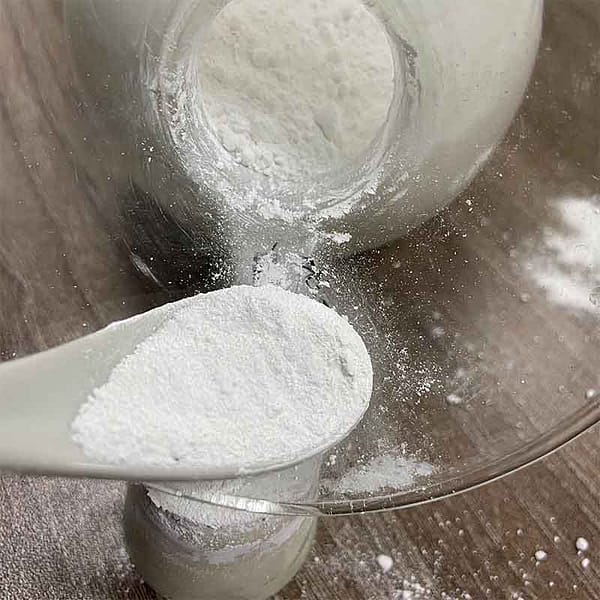
Titan dioxide is used in the industry of plastics to provide the color of the product and also acts as a UV stabilizer safeguarding against harmful UV radiation. Because of its dual function that titanium dioxide plays, it’s an essential component of the wide variety of plastic products ranging from durable outdoor goods to packaging materials.
The Manufacturing Alchemy – Titanium Dioxide Production Processes
Two methods dominate the production of titanium oxide: the sulfuric acid method and the chlorination-acid method. Each method has distinct applications and intricacies that add to the variety of applications that titanium dioxide can be used in across various industries.
The Sulfuric Acid Method: This method involves the reaction titanium-bearing ores with sulfuric acid which results in the formation of a titanium sulfate solution. The solution is then hydrolyzed and produces the hydrated titanium dioxide. After calcination the final product is a fine, white powder that is used in various industries, such as paper and paint.
The Chlorination Method: By contrast, the method of chlorine uses chlorine gas to react with the titanium-bearing mineral, resulting in titanium Tetrachloride. After a sequence of chemical reactions, titanium tetrachloride could be oxidized into pure titanium oxide. This method is prominent in the production of titanium dioxide for the plastics and rubber industries.
Titanium Dioxide Applications: Art and Science
Paint Brilliance Across Industries: Titanium dioxide’s prominence in the paint industry is unparalleled. Its capability to create an intense white color, with outstanding coverage and long-lasting longevity makes it an ideal choice for homeowners, artist and industrial uses alike. Its brilliance is not just aesthetic, but practical as well. It increases the endurance of painted surfaces.
Shape Plastics with Radiance. In the world of plastics, titanium dioxide serves two purposes. Apart from its use as a white colorant titanium dioxide is also a UV stabilizer, providing crucial protection from the degrading impact of sunlight. This makes titanium dioxide a key component of outdoor plastic products and ensures that they retain their structural strength and aesthetic appeal through time.
Opacity and whiteness of paper The paper industry, titanium dioxide contributes to the transparency and whiteness of paper products. It also increases the brightness of the paper, which makes printed content more vivid and easy to read. The role of titanium dioxide in the papermaking process is more than aesthetics. It’s crucial in increasing the quality of printed materials.
The rubber’s resilience, as well as UV resistance – The rubber industry has the ability to benefit from the UV-resistant properties of titanium dioxide. Titanium dioxide helps protect rubber-based products from the harmful ultraviolet radiation.
Titanium Dioxide: Beyond Pigment Its Invisible Impact
While titanium dioxide’s impact is highly visible in its role as a pigment, its influence extends beyond the realms of color. Its capability to enhance the resilience, durability, and endurance of different materials in different industries creates the compound as an invisible but vital element in the efficiency and quality of end products.
In the end, titanium dioxide becomes a substance of immense significance that blends into a variety of industries. It is known as Pigment White 6 and it provides a radiant shine to canvases that are both artistic and industrial. Its production is the result of two processes which are chlorineation and sulfuric acid. This creates a broad range of applications. The possibilities include enhancing the visual appeal of paints, fortifying the plastics against UV radiation, making paper more bright, or protecting rubber, titanium dioxide stands as a testament to the harmonious mix of science and art in the realm of manufacturing. The brilliance it gives shines on our lives every day, forming a spectrum of products with longevity and impact.