In fluid control systems that are complex, coordination between solenoid vales and ball valves that are actuated is crucial. They are usually not recognized as protagonists in various industrial applications. They are a dynamic pair to enable precision and automated flow control. Let’s dive into the world of solenoid valves as well as ball valves with actuators, looking at their functions, applications and the symbiotic relation that powers the fluid management.
Solenoid valves, the electronic gatekeepers of fluid flow, hold the key to a seamless control across a variety of different applications. These valves are crucial in controlling air actuated ball valves as well as butterfly valves, providing a level of precision and efficiency to fluid control systems. Solenoids are valves that respond to electrical signals. They serve as orchestrators and dictate when the fluid path should be opened or closed.
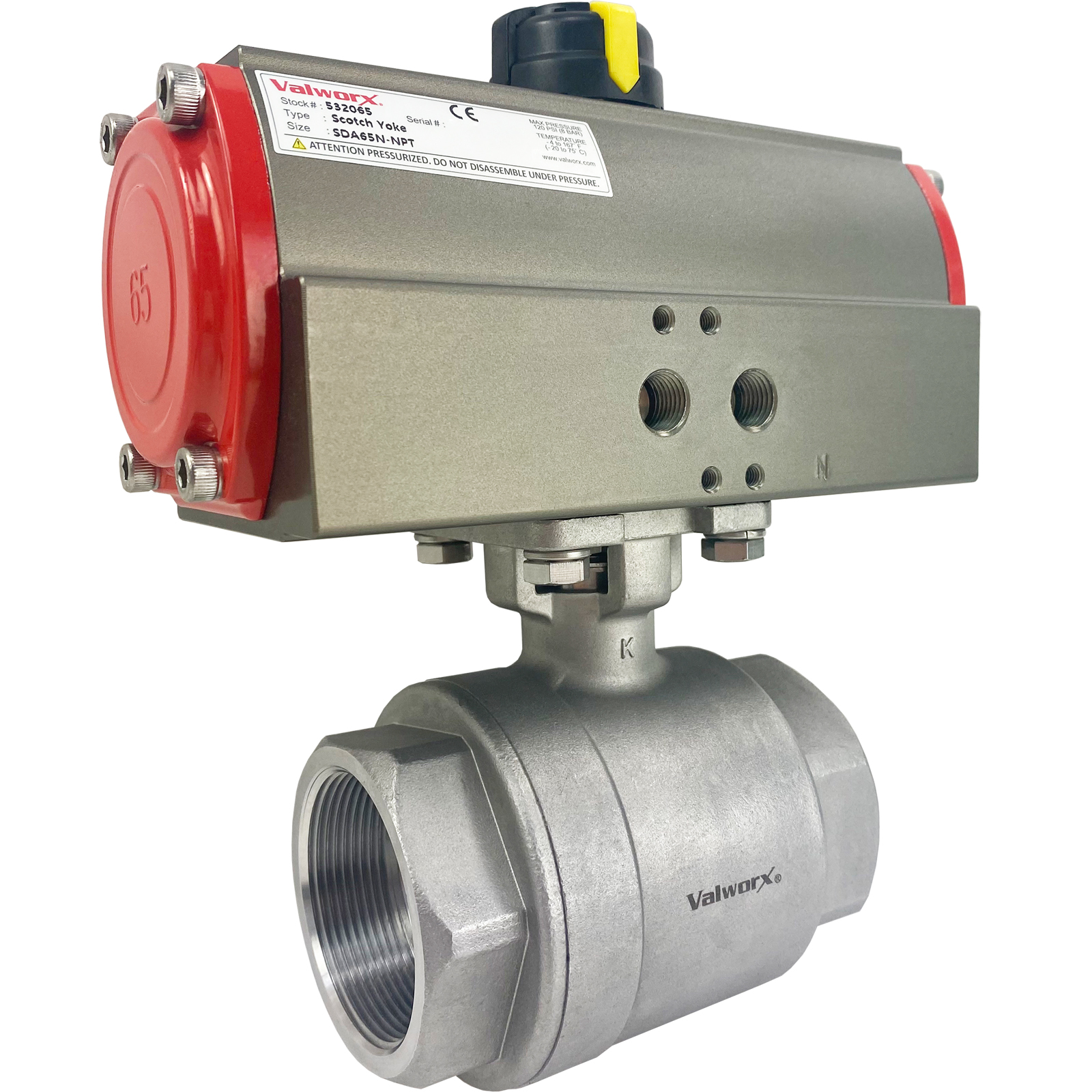
One of the unique features of solenoid valves is that they can be used with both spring return and double-acting air actuators. This flexibility allows them to adapt to diverse operational requirements thus making them a viable option in a variety of industries. Integration is further improved via the international standard NAMUR mounting pad, which allows directly connecting to the air actuator.
Actuated Ball Valves Controlling Automated Fluid Positioning
The actuators for the ball valve however, bring automation into the physical movement of the valves. The valves are powered by pneumatic or electric actuators and automatically rotate into the position you want. This enables hands-free fluid control. By combining solenoid and ball valves, a system has been built where mechanical motion meets electronic precision.
In applications where precision and reliability are paramount, the actuated ball valve shines. Its ability to regulate flow with precision is an ideal solution for applications that require switching off or modulating control. Air, water, oil, and other compatible media can be controlled by the experienced direction of actuated ball valves, which ensure a steady and efficient flow that is able to meet the demands of the process.
Solenoid Symphony in Air Actuated Ball Valve Precision
A partnership between solenoid and air actuated valves can be compared to a symphony in which each component has a vital role in achieving harmonious control of the flow. Solenoid controls, which respond to electrical signals, which control the closing and opening of the flow path are controlled by solenoid valves. Ball valves that are actuated by air, and controlled by electrical commands, perform the dance of mechanical mechanics to regulate flow.
The part that makes this symphony remarkable is the integration through the NAMUR mounting pad. This standardized connection doesn’t just ease the assembly process but assures a safe and reliable linkage between the solenoid valve as well as the air actuator. This seamless connection transforms electrical signals into physical motions, allowing a precision level that is in line with the stringent requirements of industrial applications.
Modulation of Navigating: The Dynamic World of Ball Valve Control
Ball valves’ versatility is well-known regardless of whether they are activated. They are crucial in a variety of industries because they can modulate fluid, air or water flow. This flexibility is further enhanced with the help of actuated ball valves powered by solenoid valves.
In the case of applications where the demand for fluid flow fluctuates, modulating control becomes essential. These scenarios can be best met by ball valves actuated that are precisely controlled through solenoids. It doesn’t matter if it’s controlling the rate of flow of water in a cooling process or modulating the release of air within a pneumatic system the dynamic world of ball valve control ensures that the fluid is responsive to the requirements of the operation.
In order to achieve optimal performance and durability the availability of a diverse assortment of ball valves becomes crucial. To fulfill their immediate requirements industries require products which can stand up to the testing of time and work in a variety of operating environments. There is a wide array of ball valves for sale, all of which set the standard for quality and endurance.
It’s whether you require an easy-to-use, compact ball valve, or a high-tech, electrically actuated ball valve, the options are endless. The decision-making process includes aspects like the type of fluid, operating pressure, temperature, and the specific demands of the application. This extensive selection ensures that industries can craft fluid solutions specifically tailored to their needs.
Conclusion The Precision Dance of Solenoid Valves, Actuated Ball Valves
In the intricate fluid control world, accuracy is the most important factor, and the partnership between solenoid valves as well as actuated valves shows this with finesse. The electronic control of solenoid valves and actuated ball valves seamlessly combines to orchestrate fluid flow with unprecedented accuracy.
The symphony plays a role in fluid control. From NAMUR mounting plates, which offer a secure attachment to actuated ball vales that are automatically rotating when solenoid signals are detected, every component plays an important function. The dynamic duo of solenoid- and activated valves are a key element in fluid management systems that require high-quality, efficient and flexible.