Companies across all industries in today’s data driven world, rely on artificial intelligence (AI) as well as machine learning (ML), to extract important insights from huge amounts of data. Image annotation, an essential technique in computer vision, is a key element in understanding visual data. This article examines the world of image annotation and the significance of tools for annotating images, software and solutions for unlocking the potential of data-driven choices.
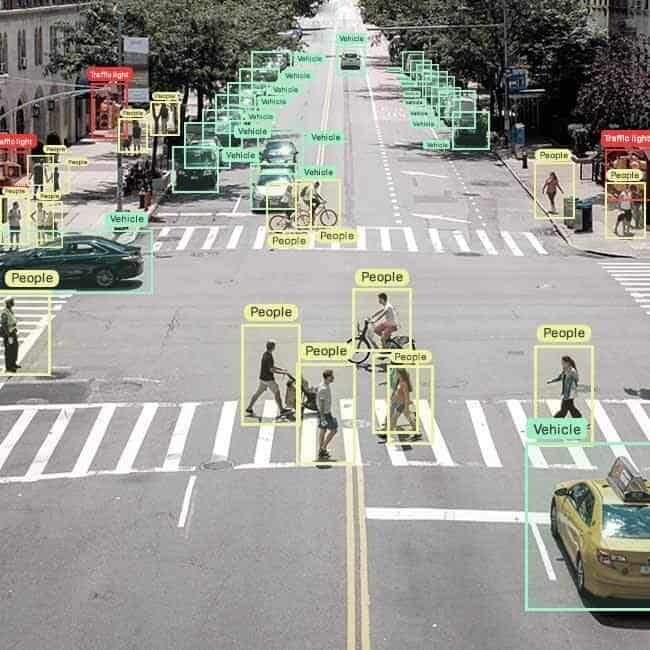
Image annotation is a procedure which involves labeling or tagging an image with metadata. This assists computers to comprehend and interpret information from visual images with precision. Image annotation, which includes including bounding boxes keys, polygons or bounding box images, enables ML models to recognize patterns, objects, and attributes. This method helps bridge the gap between raw image data and the actionable information, opening the path for applications in many domains, such as autonomous vehicles and medical imaging, online shopping, and surveillance systems.
To streamline the image annotation process, a wide variety of tools for annotation have been designed. These tools offer intuitive interfaces that let annotators make notes on objects or areas of interest in images without difficulties. These tools come with a variety options, as well as customization features that can be tailored to meet specific data requirements. Image annotation tools come with a variety of tools, from basic drawing tools to automatic suggestions as well as advanced shape recognition. They increase the precision and effectiveness of annotation and permit annotators to perform their perform their work efficiently and quickly.
Image annotation takes the annotation process to the next level by incorporating automation and collaboration features. The software uses ML algorithms to automate annotation, which reduces manual effort and increasing annotation speeds. Annotation software can accelerate the process of labeling by employing techniques such as active learning as well as transfer learning.
An annotation software allows seamless collaboration among multiple annotators. It facilitates real-time communications, annotation versioning and comments and also creates an environment of collaboration. This approach to collaboration improves annotation quality and promotes sharing of knowledge and assures consistency between annotations.
When selecting an image annotation software there are many aspects to think about. Firstly, the solution should match the particular requirements of the project. This includes the annotation types required (e.g., bounding boxes, polygons, keypoints), the complexity of the task of labeling, and the capacity of the solution.
In addition, flexibility and adaptability are key. An effective annotation system should enable the customization of workflows for annotation along with integration with existing data management systems as well as compatibility with different data formats. This flexibility will enable the annotation software to integrate seamlessly into existing workflows.
The quality of the annotations produced by the software is also something that should be evaluated. Quality control techniques are utilized by reliable image annotation software to ensure uniform and precise labeling. These mechanisms include inter-annotator agreements check, validity of annotations and continuous feedback between the annotators.
Image annotation has an enormous impact that goes far beyond the act of annotation. Image annotation tools, solutions and software can assist businesses maximize the value of their data by leveraging it in multiple ways. Most importantly, precise annotations facilitate the development and training of ML models that have higher quality and accuracy. These models are able to be used to solve various problems, such as image classification, object recognition and anomaly detection.
Image annotation can also be utilized to aid in making data-driven decisions by providing valuable and extensive knowledge. Images that are annotated with medical information, like, can be used in the healthcare sector to diagnose diseases, identify anomalies and determine the best treatment options. In e-commerce environments, annotations of images support product recommendation systems with image search features, and visual merchandising strategies.
By unlocking this valuable resource, annotation of images using data science has transformed the way we work. It helps speed up data analysis and reveals hidden connections. In real-time, insights are generated. With image annotation, organizations can streamline their processes, get to market faster, decrease costs and gain a competitive advantage. Annotated images are more readable and useful for all stakeholders in any business because they can visualize concepts much better than abstract diagrams. When used correctly, image annotating is a powerful way to turn data into actionable analysis and boost the efficiency of every application.