HIPAA compliance is crucial for healthcare providers. This law is designed to keep patients’ data secure and safe as well as giving people more access to their personal information. Since technology is evolving rapidly it’s essential to make sure that every new system you implement adheres to the guidelines set out by HIPAA.
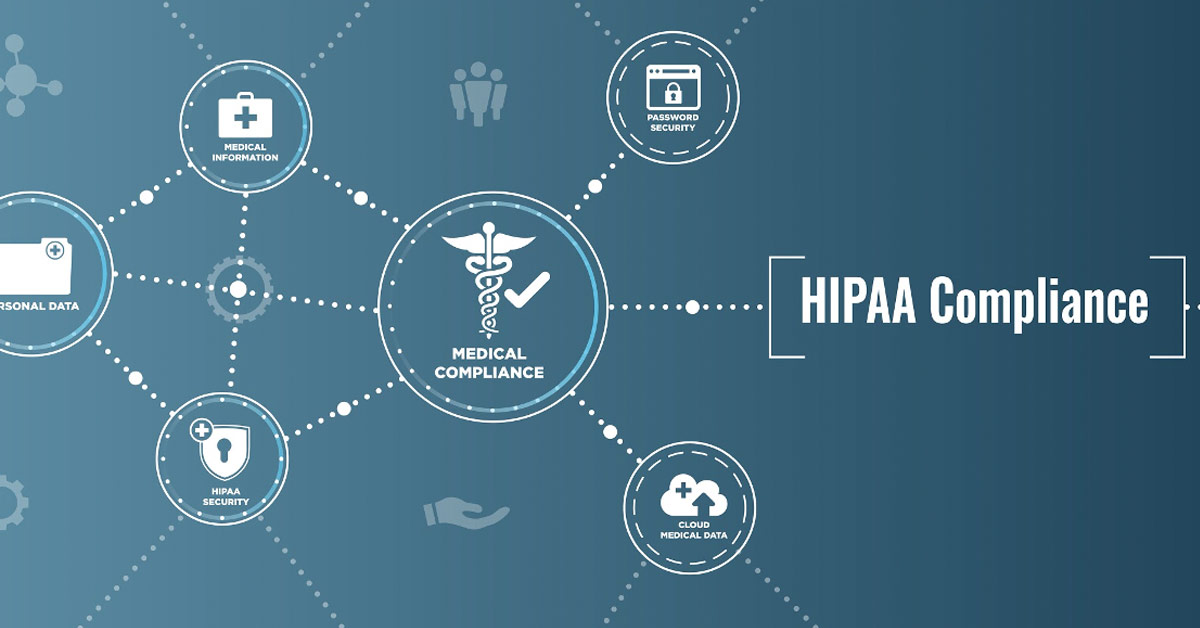
HIPAA compliance can be confusing particularly for companies that are trying to figure out the meaning of HIPAA is and how it affects them. Health care institutions and those that are part of the insurance industry for health care must take great care to meet the rules of HIPAA even if they feel like they aren’t sure about it. To make sure compliance is met, it’s important to read through the regulations and ensure that all procedures are implemented. Although it can seem difficult it’s not, compliance with the law is essential. Being compliant will result in improved data privacy protection and customer service, as being able to avoid sanctions. Understanding the HIPAA regulations and taking the necessary steps will help businesses to ensure they’re following the prescribed procedures.
While HIPAA’s rules may appear harsh, the emphasis on security and privacy is intended to protect information. More protections are needed to stop the illegal disclosure or misuse of private patient data since the healthcare industry has increasingly moved to digital media like Electronic Medical Records. Although guidelines have been put in place and are in place, it is imperative to ensure that all individuals follow these guidelines. Because of this, HIPAA remains vigilant of these matters to better ensure one’s safety and privacy.
HIPAA is an important security feature for people working in the medical field as well as the patients in whom information is stored. Both covered entities (CEs), and business associates, are able to decide whether an addressable implementation standard is required. The decision is based on many elements, including a risk assessment, mitigation strategies, and the existing security measures. It is also based on the costs of implementation. When making this decision, CEs and BAs can include alternatives that satisfy the goal or opt to skip the step completely if it’s appropriate in the circumstances. HIPAA urges them to take educated decisions about data protection and security, and ensuring an appropriate balance between the technical measures and the control of users over sensitive data.
Companies can reap the benefits by achieving HIPAA compliance. Businesses can ensure the confidentiality and security of personal health data of customers, patients, and clients by adhering to the guidelines of the Health Insurance Portability and Accountability Act. Compliance also ensures that individuals are using their medical information only to benefit them as well as the benefit of their healthcare providers. HIPAA compliance allows patients to make informed decisions regarding how their personal health data is managed and used, giving them security that no other entity is allowed to gain access to or alter it without consent. HIPAA compliance lowers the reputational risk for organizations by ensuring that they do not suffer financial or legal consequences in the event of mishandling patient data. In the end, adhering to HIPAA standards helps ensure the best possible patient experience, as well as the best protection for medical records.
In conclusion they are just a few of the many factors to take into consideration when it comes to HIPAA compliance. The best way to make sure that you’re compliant is to be sure you have a good comprehension of the law and talk to an expert who will help you interpret it and establish the necessary systems and processes in place. Although it might seem daunting to enforce compliance, it’s vital for protecting your patient’s rights as well in ensuring the confidentiality of your patients.
For more information, click subtitle of hitech